Aviation Switching Module – NSN 4920-01-250-2696 (AS-IS / Untested): Aircraft Switching Equipment for Parts or Evaluation
Aviation Switching Module – NSN 4920-01-250-2696 (AS-IS / Untested): Aircraft Switching Equipment for Parts or Evaluation
Blog Article
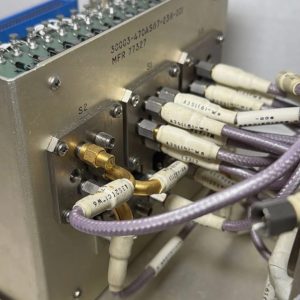
The Aviation Switching Module – NSN 4920-01-250-2696 (AS-IS / Untested) provides aviation maintenance organizations, military-surplus buyers, aerospace technicians, equipment restorers, and collectors with access to a catalog-identified switching component whose operational status has not been confirmed.
The Aircraft Switching Module can form part of a specialized aviation system, while the Aerospace Aerospace Switching Module Switching Module requires identification through labels, technical documentation, connector configuration, and application records.
An Aircraft Electrical Switching Module can have commercial value for technicians, while an Aviation Electrical Control Module or Aerospace Electrical Control Unit requires qualified bench evaluation before operational consideration.
An Aircraft Switching Unit can support specialized signal or circuit management, but an Aerospace Power Distribution Module or Aviation Power Control Module may use different internal architecture and electrical requirements.
Identifying the Aerospace Switching Unit
The National Stock Number provides an important catalog reference that can help buyers research the item’s supply history, technical identity, related part numbers, and possible equipment application.
The exact manufacturer, model number, electrical specifications, switching functions, and associated equipment should be confirmed through reliable technical references whenever available.
Understanding AS-IS and Untested Condition
Transparent AS-IS terms help specialists evaluate price and risk realistically.
Bench testing should begin only after technical documentation, circuit protection, connector identification, and safe power requirements are established.
Aviation Switching Hardware Uses
A module used with maintenance equipment may function differently from one installed onboard an aircraft.
Switch movement can be checked gently for obvious binding or damage, but mechanical movement does not establish electrical operation.
Aerospace Enclosure and Connector Condition
Careful exterior evaluation can reveal evidence of previous use or damage before the unit is opened.
Unknown connectors should not be forced into visually similar plugs.
Aircraft Electrical Switching Module Inspection
A qualified technician should determine whether additional internal inspection is justified.
Seals, labels, inspection marks, tamper indicators, and original component arrangements may have historical or technical value.
Choosing an Aviation Electrical Control Module
The module may interact with relays, switches, indicators, sensors, power sources, test connections, or other control equipment.
Missing labels or faded markings can make operation difficult and may increase the risk of improper testing.
Aircraft Power Switching Module Considerations
An Aircraft Power Switching Module may connect, disconnect, select, or manage compatible electrical power circuits when designed for that function.
Missing covers or barriers may expose conductive points and increase handling risk.
Electrical Control Unit Restoration
Troubleshooting requires a logical sequence based on technical information rather than random power application.
Replacement components should match the required electrical, mechanical, thermal, and environmental characteristics of the original design.
Aircraft Signal Switching Module Uses
The pinout and signal type should be confirmed before continuity or injection testing.
Original cable assemblies may add significant value when included.
Aviation Control Module Applications
An Aviation Control Module should be treated as one component within a larger system rather than a standalone universal controller.
Accurate configuration review reduces the risk of an unsuitable Aviation Control Module acquisition.
Choosing an Aircraft Switching Unit
The unit can provide parts, reference information, display value, training opportunities, or a candidate for professional restoration.
Technical schools may use a de-energized module to demonstrate connector inspection, switch construction, equipment identification, documentation research, or safe troubleshooting planning.
Aerospace Circuit Management
A module should not be loaded electrically until contact condition, insulation, wiring, and circuit configuration are understood.
Mounting points should be inspected because secure installation can affect grounding, cooling, vibration resistance, and connector alignment.
Aircraft Electrical Control Unit Inspection
The inspection should distinguish cosmetic wear from damage that may affect electrical operation or mounting.
Limited testing should not be described as complete serviceability verification.
Choosing an Aviation Power Control Module
Broad market keywords can support discovery while the technical description remains precise.
Safe handling is important even when the Aviation Power Control Module is sold strictly AS-IS.
Understanding an Aircraft Electronic Switching System
Without those references, operational claims should remain limited.
Professional analysis supports responsible Aircraft Electronic Switching System maintenance.
Protecting an Aerospace Switching Unit
Connector caps should remain fitted, and the module should be supported without placing pressure on switches, knobs, cables, or mounting brackets.
Insured and trackable transportation supports responsible sales of specialized aviation hardware.
Aircraft Electrical Module Buying Considerations
An Aircraft Electrical Module should be purchased according to exact identity, intended use, condition, completeness, technical support, testing requirements, and available documentation.
The seller should explain whether the unit has been powered, opened, repaired, modified, tested, or removed from known equipment.
Inspecting the Aviation Switching Module Before Purchase
A pre-purchase review should confirm the NSN, manufacturer, part number, serial number, markings, enclosure condition, connectors, switches, included accessories, storage history, modification status, and known application.
- Resolve identity, configuration, application, and package-completeness questions before payment.
- Do not interpret clean appearance, smooth switch movement, or intact labels as proof of electrical operation.
- Require packaging that protects connectors, switches, labels, enclosure corners, mounting brackets, controls, and loose accessories from movement and impact.
Professional Bench Evaluation
Every connection should be documented before power is applied.
Partial operation should not be presented as complete certification, calibration, or airworthiness.
Repairing Legacy Aviation Control Hardware
Replacement parts should be selected according to electrical rating, mechanical fit, material, environmental requirements, and original design intent.
Photographs can document internal condition before and after work.
Choosing the Aviation Switching Module – NSN 4920-01-250-2696 (AS-IS / Untested)
The Aviation Switching Module – NSN 4920-01-250-2696 (AS-IS / Untested) offers stronger commercial appeal when its markings, controls, connectors, enclosure, accessories, history, and limitations are documented accurately.
Buyers should request detailed photographs, accurate AS-IS disclosures, technical research, secure transaction terms, protective shipping, and qualified evaluation where appropriate.
Whether the item is purchased for restoration, training, parts recovery, display, testing, inventory, or professional repair, transparent information and controlled handling provide the strongest foundation.
With verified identity, careful inspection, protected storage, safe bench procedures, organized documentation, and qualified technical review, the module can provide lasting specialist value.
Report this page